


As of the date of this publication, 24 states and the District of Columbia have legalized recreational marijuana use. Thirty-eight states permit medical marijuana use. And only three states prohibit marijuana use entirely. For HR professionals managing labor law compliance, this patchwork of state-specific marijuana laws, federal regulations, and emerging privacy considerations makes policy development more complex than ever. Employers must carefully balance workplace safety, drug-free policies, and employee rights to remain compliant and avoid potential litigation.
Here’s a summary of what employers need to know.
State-by-state list of marijuana laws
Because marijuana laws vary widely across the country, HR professionals must be aware of the unique rules in each jurisdiction. Below is a breakdown of state marijuana laws affecting employers:
|
State |
Recreational use permitted? |
Medical use permitted? |
Prohibit discrimination based on medical use? |
Prohibit discrimination based on off-duty use? |
|
Alabama |
Illegal |
Legal |
|
|
|
Alaska |
Legal |
Legal |
|
|
|
Arizona |
Legal |
Legal |
Yes |
|
|
Arkansas |
Illegal |
Legal to |
Yes |
|
|
California |
Legal |
Legal |
|
Yes: cannot take adverse employment action for off-duty, off-premises use |
|
Colorado |
Legal |
Legal |
|
|
|
Connecticut |
Legal |
Legal |
|
Yes: protects lawful recreational marijuana use |
|
Delaware |
Legal |
Legal |
Yes |
|
|
Florida |
Illegal |
Legal |
|
|
|
Georgia |
Illegal (except in Atlanta, Clarkston, Forest Park, Savannah, South Fulton, Statesboro, unincorporated Fulton County, and Macon–Bibb County) |
Legal but only for low-THC CBD oil |
|
|
|
Hawaii |
Illegal (decriminalized up to 0.11 oz (3 g)) |
Legal |
|
|
|
Idaho |
Illegal |
Illegal |
|
|
|
Illinois |
Legal |
Legal |
Yes |
|
|
Indiana |
Illegal |
Illegal |
|
|
|
Iowa |
Illegal |
Legal but only for low-THC CBD oil |
|
|
|
Kansas |
Illegal |
Legal but only for low-THC CBD oil |
|
|
|
Kentucky |
Illegal |
Legal |
|
|
|
Louisiana |
Illegal (decriminalized up to 14 grams (0.49 oz)) |
Legal |
|
|
|
Maine |
Legal |
Legal |
Yes |
|
|
Maryland |
Legal |
Legal |
|
|
|
Massachusetts |
Legal |
Legal |
May allow off-site use of medical marijuana as a reasonable accommodation if it does not impose an undue burden |
|
|
Michigan |
Legal |
Legal |
|
|
|
Minnesota |
Legal |
Legal |
Yes |
Yes: Cannot refuse to hire or discipline or discharge an employee because of off-premise use during nonworking hours |
|
Mississippi |
Illegal (decriminalized up to 30 g (1.1 oz) or less for first offense) |
Legal |
|
|
|
Missouri |
Legal |
Legal |
Yes |
|
|
Montana |
Legal |
Legal |
|
Yes: Cannot take an adverse employment action against applicants or employees who for off-premises nonworking hours use |
|
Nebraska |
Illegal (first offense decriminalized) |
Illegal |
|
|
|
Nevada |
Legal |
Legal |
Must attempt to make reasonable accommodations for medical needs of employees with a valid registry identification card and as long as it does not impose an undue hardship |
|
|
New Hampshire |
Illegal (decriminalized up to 0.75 oz (21 g) or less) |
Legal |
|
|
|
New Jersey |
Legal |
Legal |
Yes |
Yes: Protects lawful recreational marijuana use |
|
New Mexico |
Legal |
Legal |
Yes |
|
|
New York |
Legal |
Legal |
Certified patients with medical marijuana cards are considered disabled under the law and employers may need to offer them a reasonable accommodation |
Yes: Cannot take adverse employment action against an employee for off-duty use |
|
North Carolina |
Illegal (decriminalized up to 42 g (1.5 oz) or less) |
Legal but only for low-THC CBD oil |
|
|
|
North Dakota |
Illegal (decriminalized up to 14 g (0.49 oz) or less) |
Legal |
|
|
|
Ohio |
Legal |
Legal |
|
|
|
Oklahoma |
Illegal |
Legal |
Yes |
|
|
Oregon |
Legal |
Legal |
|
|
|
Pennsylvania |
Illegal (decriminalized In Philadelphia, Pittsburgh, Harrisburg, Erie, Lancaster, Phoenixville, Norristown, State College, Steelton, Upper Merion Township, West Norriton Township, East Norriton Township, York, Folcroft, Bethlehem, Doylestown, and Allentown up to 30 g) |
Legal |
Yes |
|
|
Rhode Island |
Legal |
Legal |
Yes |
Yes: Protects lawful recreational marijuana use |
|
South Carolina |
Illegal |
Legal but only for low-THC CBD oil |
|
|
|
South Dakota |
Illegal |
Legal |
|
|
|
Tennessee |
Illegal |
Legal but only for low-THC CBD oil |
|
|
|
Texas |
Illegal (refusal to arrest for less than 4 oz (112 g) in possession in Austin) |
Legal but only for low-THC CBD oil |
|
|
|
Utah |
Illegal |
Legal |
Yes |
|
|
Vermont |
Legal |
Legal |
|
|
|
Virginia |
Legal |
Legal |
Yes |
|
|
Washington |
Legal |
Legal |
Yes (prohibited during hiring process only) |
Cannot take adverse employment action against an applicant or employee for off-duty use |
|
West Virginia |
Illegal |
Legal |
Yes |
|
|
Wisconsin |
Illegal (decriminalized in Milwaukee and Madison) |
Legal but only for low-THC CBD oil |
|
|
|
Wyoming |
Illegal |
Legal but only for low-THC CBD oil |
|
|
|
District of Columbia |
Legal |
Legal |
|
Yes |
Note that some state laws restrict the available protections when the employee is in a safety-sensitive role.
Federal law vs. state marijuana laws
Federal restrictions create a conflict with state laws, leaving employers in legal gray areas when deciding on marijuana policies.
Despite state-level legalization, marijuana remains classified as a Schedule I controlled substance under the federal Controlled Substances Act. This means that federal contractors and grantees must comply with the Drug-Free Workplace Act of 1988, which requires them to prohibit drug use, including marijuana, in the workplace.
Additionally, jobs regulated by the Department of Transportation (DOT), such as commercial drivers, pilots, and railroad operators, are subject to federal drug testing rules, which do not permit marijuana use, even if it is legal in the employee’s state.
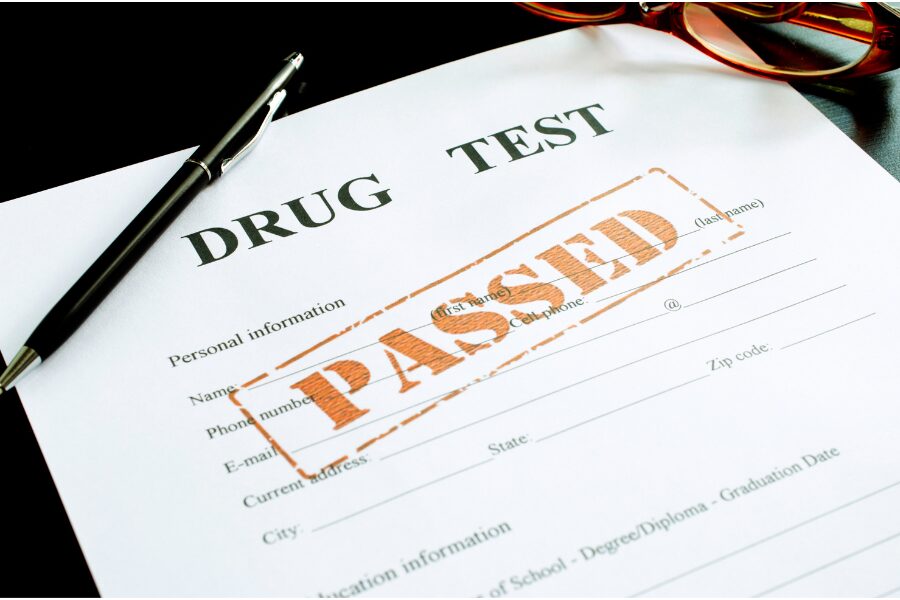
Can employers drug test for marijuana in legal states?
A common question among employers is whether they can continue testing employees for marijuana use, particularly in states where cannabis is legal. The answer depends on several factors, including state law and industry regulations.
Some states prohibit employers from testing prospective employees for marijuana use as a condition of employment. For example, in New York, employers cannot test current employees for marijuana. Meanwhile, Nevada prohibits rejecting job candidates solely for testing positive for cannabis.
Other states, including California, Montana, and New York, have laws protecting employees from discrimination for legal off-duty marijuana use. Employers must be cautious when enforcing workplace drug policies.
In contrast, states like Idaho, Indiana, and Nebraska still outlaw marijuana entirely, allowing employers to enforce strict drug-free workplace policies, including random testing and termination for positive tests.
Employers who do test should not automatically impose disciplinary actions based solely on a positive drug test, particularly in states where marijuana use is legal. Some states, including Illinois and New Jersey, require documented behavioral evidence of impairment before an employer can take disciplinary action.
The inconsistency in state marijuana laws creates challenges for employers operating in multiple states who want to implement a unified drug policy. Employers must stay updated on jurisdictional requirements to avoid costly legal missteps.
Workplace safety and cannabis impairment
Employers should exercise caution and avoid hasty decisions when addressing the use of medical marijuana by employees in states where it is legally permitted. Workplace drug testing policies should prioritize work-related safety concerns rather than broadly screening for general marijuana use.
While employers are not required to allow on-the-job marijuana use or impairment, determining impairment is a significant challenge. Traditional drug tests cannot accurately measure real-time cannabis intoxication. Instead of relying solely on drug testing, employers should consider training managers to recognize impairment based on observable signs such as changes in speech, coordination, behavior, and work performance.
Employers can also implement reasonable suspicion testing when an employee exhibits signs of impairment on the job. Keep in mind that some states have exempted safety-sensitive roles from employment discrimination laws related to marijuana use. These roles are typically defined as jobs where impairment could result in serious injury, loss of life, or significant damage to property or the environment. For individuals in safety-sensitive positions, maintaining a drug-free status is often a requirement. As a result, even in states where medical marijuana use is legal, employers may enforce policies prohibiting its use due to safety risks associated with these roles.
Additionally, federal regulations may require certain employees to remain drug-free, regardless of state laws. For example, individuals who operate commercial vehicles are subject to federal restrictions on cannabis use, even if they do not exhibit signs of impairment.
Best practices for employers managing marijuana policies
Employers should regularly review and update workplace drug policies to reflect legal and practical considerations. Take these steps:
- Clarify drug-related and drug testing policies: Employers should ensure drug policies clearly define expectations and address marijuana use separately from other controlled substances to avoid inconsistencies in enforcement. Specify whether pre-employment, random, or post-incident drug testing includes marijuana. Address whether policies apply to medical marijuana users and whether accommodation is required in your state.
- Distinguish between on-duty and off-duty use: Explain whether employees can use marijuana outside of work and how off-duty use impacts workplace policies. Be aware of state laws that prohibit employers from taking adverse action for off-duty legal marijuana use.
- Implement an impairment-based policy: Define what constitutes impairment in the workplace and train supervisors to identify and document signs of impairment.
- Address safety-sensitive positions separately: Some states allow exceptions for drug testing in safety-sensitive roles. Consider developing stricter policies for employees operating heavy machinery, driving, or handling hazardous materials.
- Ensure compliance with federal and state laws: Marijuana-related laws are changing all the time. Stay up to date on the laws affecting your industry and location, and consult legal counsel when implementing or revising workplace policies.
- Train employees on workplace expectations: Communicate policies clearly during onboarding and through regular training. Reinforce that legalization at the state level does not grant employees the right to work while impaired.
The rapidly changing landscape of marijuana laws requires employers to be proactive in managing compliance and workplace safety. HR professionals must strike a balance between respecting employee rights and maintaining a drug-free, productive work environment. By implementing clear, well-informed policies, businesses can navigate this complex issue while minimizing legal risks.
To learn more about labor laws that affect your business, check out our blog.

